Do All Speak in Tongues?
This is a question often asked by many Church people today. They read about it in the Scriptures that are in the Bible, but many times the Church they attend does not teach or preach about this experience. To them, this question remains unanswered.
What do the Scriptures say about speaking in tongues?
We read in the Bible that speaking in tongues is the evidence of receiving the Baptism of the Holy Spirit. It is evidence that is seen and heard when a person receives this wonderful gift from God.
It first happened on the Day of Pentecost in the Book of Acts 2:1-4. Receiving the Baptism of the Holy Spirit is required to enter into the Kingdom of God. John 3:3,5,7
Jesus said “You must be born again”. In John 3:8, Jesus compared this born-again experience to that which happened at Pentecost when He said “….so is everyone who is born of the Spirit.”
When the Apostle Peter was preaching the first Gospel message on the Day of Pentecost in Jerusalem, he described the Baptism of the Holy Spirit as something that one could both see and hear. Acts 2:33
As a result, the people inquired that day with the question, “What shall we do?” Peter was quick to answer this all-important question in Acts 2:37-39,41. This marked the fulfilment of the promise that God made to Abraham through his seed Jesus Christ. Galatians 3:16
All through the New Testament Jesus spoke of this experience. Jesus referred to the Baptism of the Holy Spirit in John 7:38-39. Notice the words of Jesus in this verse: “He that believeth on me as the Scripture hath said….” – this person would receive the Baptism of the Holy Spirit.
In John 8:31-32, Jesus urges those Jews who believed to continue to believe and then they shall know the Truth and the Truth will make them free.
Just believing is simply the starting point in this journey of faith. We must also continue to learn and to believe what God has said.
In Acts 8:14-15, we read how Simon the sorcerer saw that when Peter and the Apostles laid hands on the Samaritans, they received the Holy Spirit. Simon immediately offered them money to buy this power.
He saw something miraculous happen to those believing Samaritans who had received the Holy Spirit that day. In Acts 10, we read how God guided the Apostle Peter to the house of Cornelius to preach about Jesus. Acts 10:21-23, 44-48
Again, this same experience happened. They spoke in tongues when they received the Baptism of the Holy Spirit. In Acts 19, again this same experience happened. Acts 19:1-6 Everyone that God calls into His Kingdom is promised this life-changing experience. Acts 2:39
If you have not received the Baptism of the Holy Spirit because it’s never spoken of at your Church, then find a Church where this experience is spoken of and where it is happening and go there.
Many preachers in Churches today don’t even have the Holy Spirit. How can they tell you about something that they don’t know anything about? God is the one calling you not your preacher or your Church. When you seek first the Kingdom of God with all your heart, that’s when you will find the Lord and ALL that He has for you. Jeremiah 29:12-13
This brings us back to our question “Do all speak in tongues?” In the Bible, there are two kinds of tongues. On the Day of Pentecost, they spoke in tongues as the Spirit gave them the utterance.
This was the evidence of receiving the Holy Spirit. When the Apostle Peter preached the first message of the Gospel that day, he said the gift of the Holy Spirit was promised to all.
The word “gift” here comes from the Greek word “dorea” Strong's G#1431. “Dorea” means: a free gift with strong emphasis upon its gratuitous character.
It is used to denote a spiritual or supernatural gift. This gift gives its recipient spiritual strength and power. Acts 1:8 As previously noted, this gift (“dorea”) of the Holy Spirit is evidenced by speaking in tongues.
This evidence of this experience happens to every individual the same way. Some Scriptural references where the Greek word “dorea” is used are: Acts 2:38, 8:20, 10:45, 11:17, Romans 5:15, 2 Corinthians 9:15.
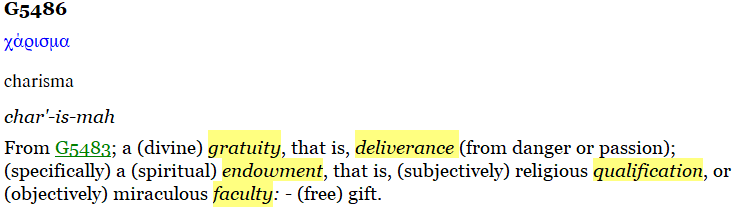
Another Greek word used for “gift” is “charisma” Strong's G#5486. The Greek word “charisma” means: a gift of grace which God endows upon believers by the operation of the Holy Spirit. These gifts were only available to believers who had already received the Holy Spirit with the initial evidence of speaking in tongues.
These gifts were in operation in the first-century Churches. In 1 Corinthians 12, the Apostle Paul was teaching the Church in Corinth about the diversities and differences of administration of the spiritual gifts (“charisma”) of the Holy Spirit 1 Corinthians 12:8-10
Other scriptural references that use the Greek word “charisma” are: Romans 12:6, 1 Corinthians 1:7, 12:4,9,28,30-31, 1 Timothy 4:14, 2 Timothy 4:14, 1 Peter 4:10.
These gifts of the Holy Spirit were given to the Church during the last days from AD 33- AD 70. When the last days ended in AD 70, so did the gifts of the Spirit because the purpose of these gifts (“charisma”) had been accomplished.
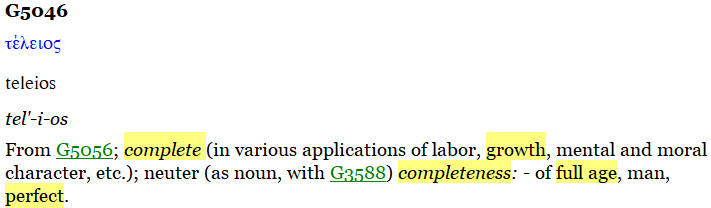
These gifts of the Spirit were given to facilitate Church growth and maturity until that which was perfect arrived. 1 Corinthians 13:9-10 The Greek word for “perfect” is “telios” Strong's G#5046.
“Telios” means: mature, complete, finished. The marriage of the Lamb took place in AD 70 because the Church was complete, mature, and finished.
She was washed and justified during the betrothal period from Pentecost until the Return of Jesus in AD 70. Ephesians 5:26-27, Revelation 19:7-8
The Return of Jesus in AD 70 was the time the Lord came to dwell with His Bride. She is called the New Jerusalem. Revelation 21:2-3 Jesus is here right now with us and has been since AD 70 and will be with us throughout Eternity.
Conclusion
A closer look at all of these Scriptures leads us to the understanding that there is an obvious difference between “dorea” and “charisma”.
“Dorea” is used to denote the initial infilling of the Holy Spirit or the “gift” of the Holy Spirit.
“Charisma” is used to denote the “gifts” of the Spirit which were in operation in the first century Church.
“Dorea” refers to the “gift” of the Holy Spirit which is evidenced by speaking in tongues as the Spirit gives the utterance.
“Charisma” refers to the “gifts” of the Spirit which were given to perfect the Church and bring the Church to maturity.
The “charisma” or “gifts” that were in operation in the first century ceased when that which was perfect had arrived. Redemption has been completed.
“Do all speak in tongues?” The answer is “Yes”, everyone who receives the gift of the Holy Spirit does speak in tongues. This is a part of the born-again experience which is part of the Everlasting Gospel message. This “gift” or “dorea” will never cease.
Now, God honours faith. He still heals, He still answers prayers, He still moves in our lives in supernatural ways, He still makes the impossible possible.
He dwells in us and is leading and guiding us in all the ways of Truth.